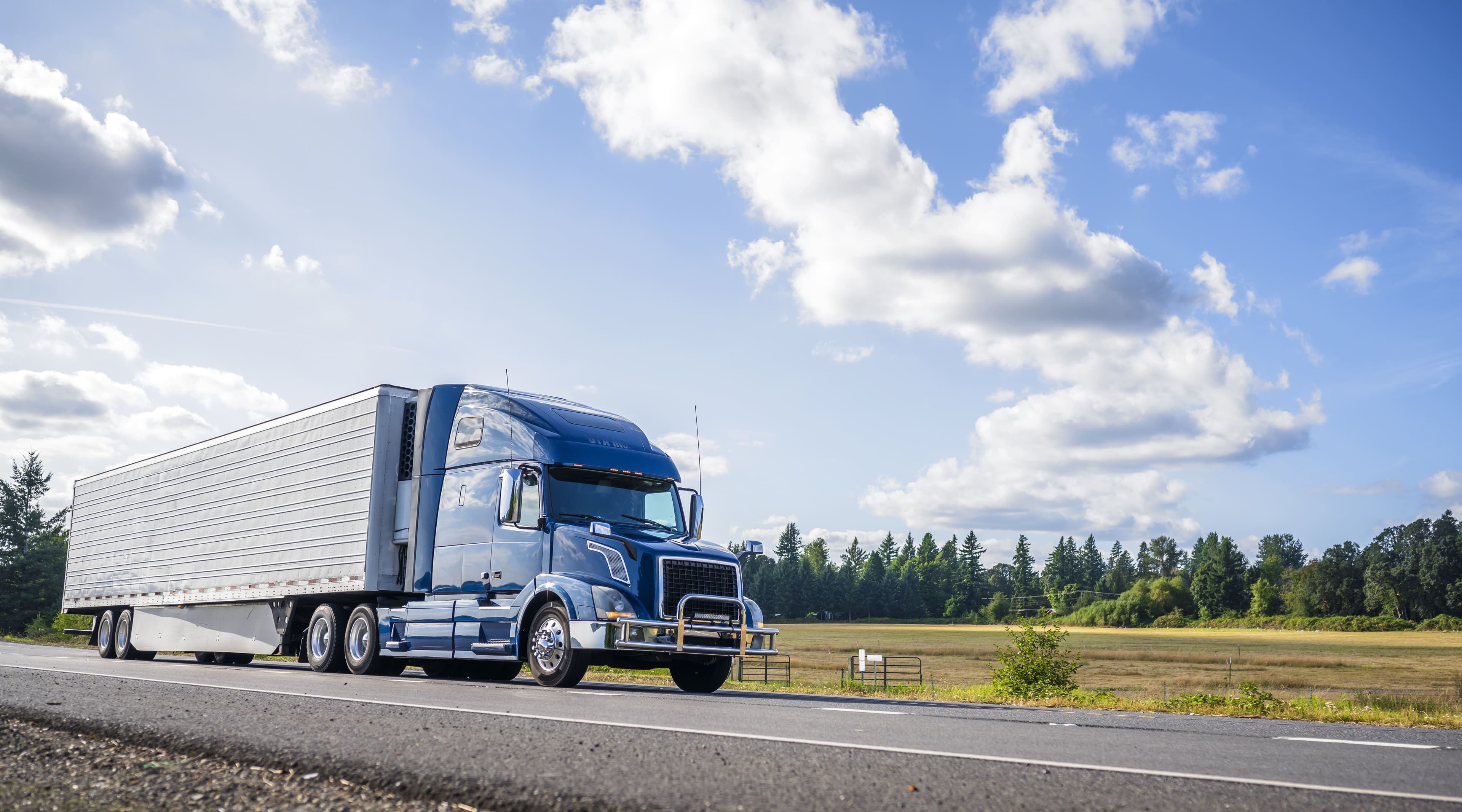
Transportation analytics stands out as a pivotal opportunity for the C-suite to reduce cost, create fair partnerships, and improve efficiency and sustainability. Insights from Gartner's 2024 report on top trends in supply chain technology underscore the increasing importance of transportation analytics as a core component of these efforts. By harnessing the power of advanced analytics, companies are positioned to not only respond more agilely to market fluctuations but also to strategically shape their operational strategies in a manner that drives significant competitive advantage.
The significance of transportation analytics for freight extends beyond mere operational efficiency; it is a strategic enabler for optimizing carrier selection, negotiating fair linehaul rates, and ensuring compliance with RFP outcomes. By implementing advanced analytics, C-suite executives can enable transportation leaders to leverage real-time data and predictive analytics to make well-informed decisions that align with long-term business goals and sustainability objectives.
Leverage load-level data as your new competitive edge
While many companies have access to lane-level data, many fail to leverage detailed load-level data to drive strategic insights and decisions. Load-level data captures the details of each shipment, including equipment type, weight, cube and/or pack constraints and cost. An ecosystem of load-level data empowers operational teams to monitor performance to industry benchmark while exploring additional opportunities for optimization, service improvements and cost savings. Utilization of AI through solutions like machine learning, or Large Language Models (LLMs) enable shippers to efficiently analyze vast amounts of data, compare various scenarios, and unlock both immediate and significant long-term benefits.
A study by the American Productivity & Quality Center (APQC) demonstrates the critical importance of data granularity in transportation analytics. According to their findings, organizations that utilize granular data can achieve up to a 15% reduction in operational costs. This statistic vividly illustrates that leveraging an ecosystem of granular data can significantly enhance decision-making capabilities, leading to more efficient, cost-effective, and customer-focused operations.
Utilize advanced analytics and machine learning for comprehensive transportation analytics
Generative AI and more specifically machine learning stand as pivotal technologies poised to further transform the supply chain, logistics, and transportation sectors, along with various other industries. To maintain a competitive edge, it is imperative to be prepared to adopt and leverage these technologies. More specifically it’s highly anticipated that AI will have a profound impact on the ability to unlock a network’s true total capacity. With enhancements in total processing power and the ability to assess and derive insights from vast amounts of disparate data we will see a fundamental shift in the way we derive data-driven insights. C-suite executives can empower transportation leaders to optimize routing guide assignments, discover new best-fit carrier capacity, and uncover previously hidden freight network opportunities at a scale not previously achievable without vast amounts of time and resources.
We also anticipate these technologies to significantly enhance the accuracy of forecasting models across the entire supply chain. Embracing these advanced transportation analytics technologies not only drives efficiency but also establishes a strategic advantage in the evolving freight market.
Unlock the power of transportation analytics for your company
Transportation analytics is not merely a tool but a strategic imperative for C-suite executives aiming to enhance efficiency, reduce costs, and foster sustainable practices in their organizations. By leveraging more granular datasets and applying advanced analytics and the variety of evolving AI based tools and solutions, organizations can unlock unparalleled insights, greater capacity, and drive actionable strategies that align with long-term business objectives.
To fully harness the power of transportation analytics, consider exploring Breakthrough’s sustainable fuel and freight solutions that have been using advanced analytics and AI for years! Our cutting-edge technology helps shippers make data-driven decisions, optimize operations, and pursue decarbonization opportunities for a more sustainable future.