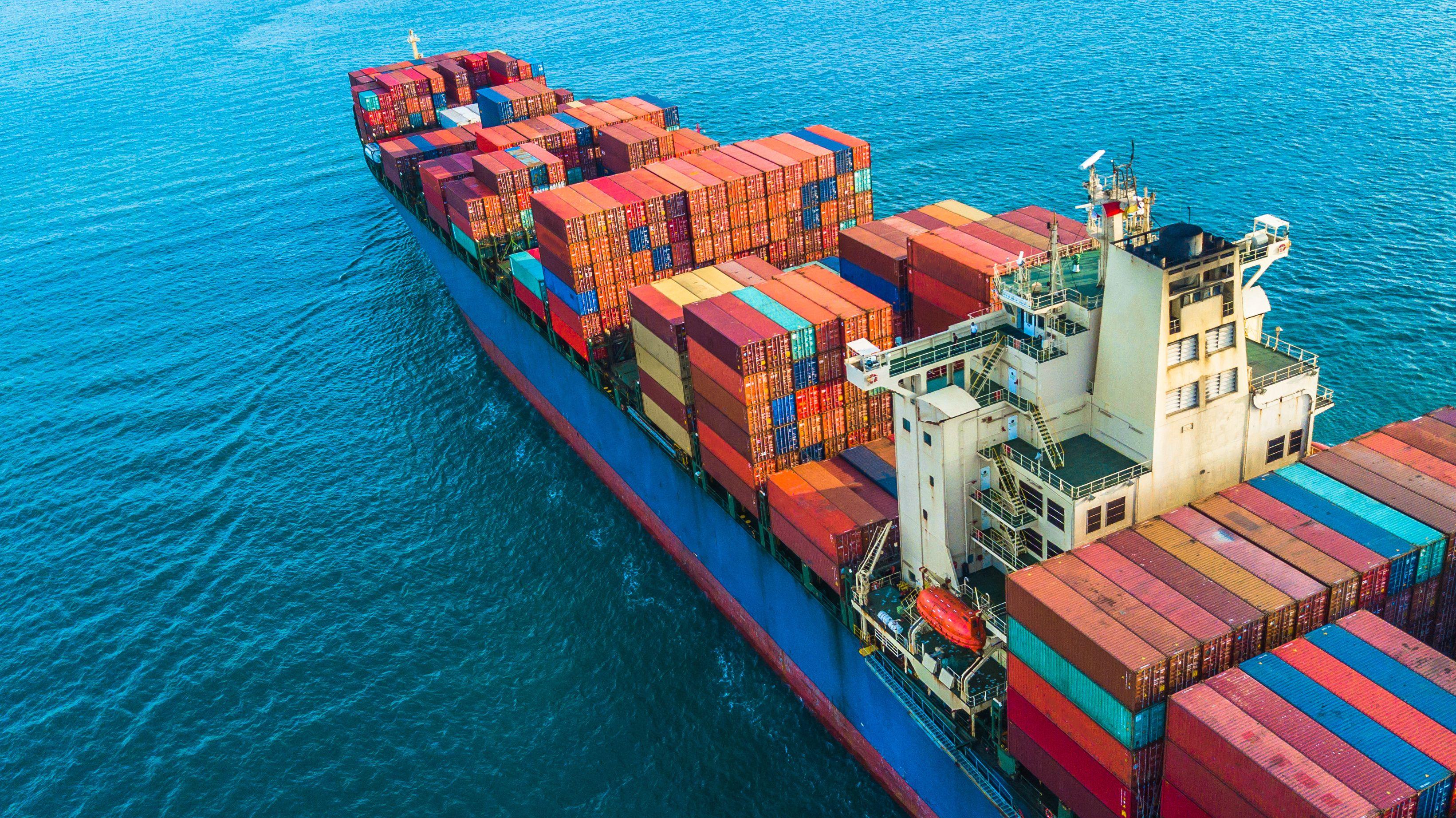
Ocean carriers set their own fuel and EU ETS surcharges, but they rarely show you how they got the number. Marine Fuel Recovery changes that by calculating what fuel and EU ETS should cost on each voyage, using actual vessel movements, vessel specifications, modeled fuel consumption, fuel prices, and carbon pricing. This calculation becomes the agreed upon reimbursement method in your tender, so each reimbursement is market-based, making both carrier and shipper whole.
Before you sign your 2027 contracts, settle these six questions to ensure you’re paying a fair and accurate price for fuel and EU ETS.
Key takeaways
- Separate surcharges from the base rate: When BAF or EU ETS is folded into the all-in rate, freight market swings drive costs that have nothing to do with freight.
- Ask carriers to show the math: A transparent BAF references a specific bunker fuel index, an ETS surcharge reflects the EU allowance price, and the share of the trip subject to EU ETS.
- Expect surcharges to move both ways: A market-based surcharge should fall when bunker prices fall, not only rise when they climb.
- Base surcharges on the actual journey: The vessel, route, and transshipments a container takes all affect fuel consumption, emissions, and the surcharge that should apply.
Six questions to ask your carriers
- Are fuel and ETS separate from the base rate? The base rate should reflect the freight market, while BAF and ETS should reflect their respective underlying costs. When BAF or ETS is rolled into the all-in rate or set as a percentage of it, you pay freight-market swings on costs that have nothing to do with freight.
- How was the surcharge calculated? Ask your carrier to show you how each surcharge is calculated. BAF should reference a specific bunker fuel index and stated lag, and ETS should be based on the EU allowance price and the portion of the voyage subject to EU ETS. If those inputs aren’t clear, the surcharge is effectively a price rather than a transparent pass-through of cost.
- Does the surcharge move with the market? In 2026, many surcharges increased as bunker prices rose but didn’t come back down at the same pace when prices fell. A truly market-based approach should work both ways: the same mechanics that increase the surcharge when bunker prices rise should reduce it when they fall.
- Is the ETS surcharge based on allowances actually owed? The surcharge should reflect the actual ETS obligation for the voyage. A flat per-container amount applied across a trade lane does not account for the factors that determine the underlying emissions liability.
- Which vessel and which route determines the surcharges? The calculation should follow the container’s actual journey, not an assumed service route. Routing decisions, such as sailing through the Suez Canal versus around the Cape, as well as transshipments, can change fuel consumption and emissions.
- Who manages surcharge updates after the contract is signed? Your carrier may update its surcharges, but those updates follow the carrier’s own methodology. Marine Fuel Recovery recalculates BAF and ETS monthly based on current market inputs, giving you a consistent way to keep reimbursements aligned with the market over time.
You don’t have to navigate this alone.
Marine Fuel Recovery puts this list of questions into practice, bringing fair, market-based reimbursements to your ocean transportation network through the length of your ocean contracts.
- Separate line items: Separate BAF and EU ETS from the base rate for greater cost transparency.
- Market-based: Replace carrier-defined surcharges with an independent approach based on actual fuel and emissions costs.
- Stay current: Monthly recalculations keep reimbursements aligned with changing market conditions.